The United Kingdom is a rewarding destination for travelers who want to combine historic cities, museums, countryside, castles, shopping, food and cultural experiences in one trip. A first visit can include the grand landmarks of London, the historic streets of Edinburgh, the football and music culture of Manchester and Liverpool, the multicultural character of Birmingham, or smaller cities and countryside destinations such as Bath, Oxford, York, the Cotswolds and the Scottish Highlands.
The key to planning a successful UK trip is not trying to see everything at once. The country has an extensive rail network, but distances can still be significant, and moving between several cities can take a considerable part of a travel day. A good itinerary leaves enough time to explore each destination rather than spending most of the holiday checking in and out of hotels.
This guide explains how to plan a UK tourism trip from the initial preparation stage through transportation, accommodation, sightseeing, food, shopping and departure.
Planning a UK Trip
Before booking anything, decide how many days you have, which parts of the country interest you most and how much you are comfortable spending each day.
For a first visit, London is often the easiest starting point because it offers a very large concentration of attractions and excellent international transport connections. Travelers with seven or more days can then add one or two destinations such as Edinburgh, Manchester, Liverpool, Bath or York.
The UK is made up of four countries: England, Scotland, Wales and Northern Ireland. They share many travel connections, but each has its own character and attractions. If you want to include Northern Ireland, remember that Belfast is on a different island from Great Britain, so transportation planning becomes more important.
A useful planning approach is to divide your trip into three categories:
- Major cities you definitely want to visit
- Day trips or smaller destinations that can be added if time permits
- Experiences that require advance booking
Popular attractions, football matches, concerts, theatre performances and some special exhibitions can sell out, particularly during busy travel periods. It is therefore sensible to identify these before finalizing your daily schedule.
When to Visit the UK
The UK can be visited throughout the year, but the experience changes considerably with the season.
Spring generally brings longer daylight hours, gardens in bloom and milder conditions. It can be a pleasant period for sightseeing and walking.
Summer offers the longest days and generally provides the most convenient conditions for combining cities with countryside trips. It is also a busy tourism period, so accommodation and major attractions can be more expensive.
Autumn brings changing colours, cooler weather and shorter days. It can be a comfortable time for city breaks, museums and cultural activities.
Winter can be cold, wet and dark early in the afternoon, but London and other major cities remain active. Christmas markets, seasonal decorations, theatre and indoor attractions can make winter particularly interesting.
British weather is changeable even during summer. Travelers should be prepared for rain and cooler temperatures rather than planning entirely around warm weather.
London
London is the natural choice for many first time visitors. It combines royal history, museums, theatres, shopping districts, parks, historic buildings and a huge range of restaurants.
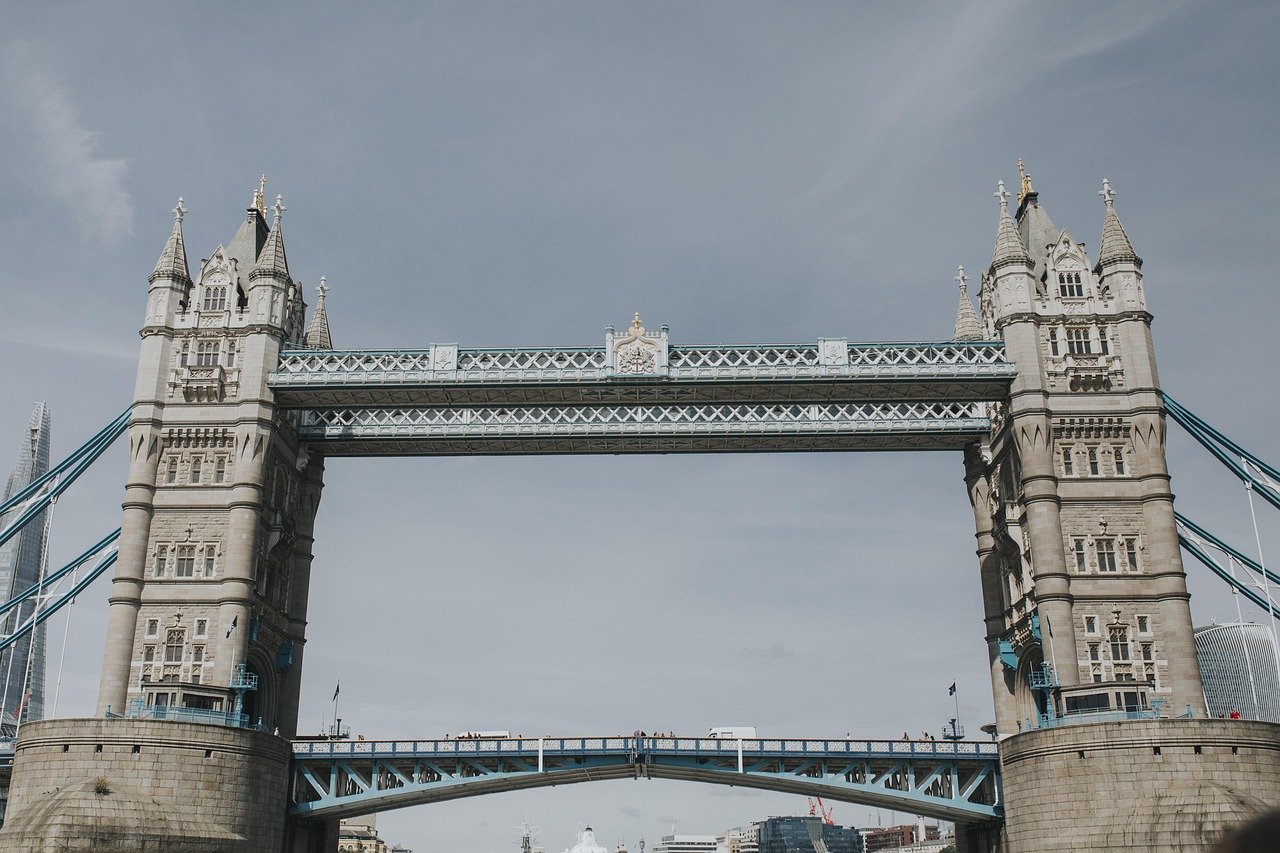
Important attractions include Buckingham Palace, Westminster Abbey, the Houses of Parliament, Big Ben, the Tower of London, Tower Bridge, St Paul’s Cathedral and the London Eye. The British Museum, Natural History Museum, Victoria and Albert Museum and National Gallery are also major attractions, with several leading museums offering free general admission.
Walking around different neighbourhoods can be as interesting as visiting individual landmarks. Westminster, Covent Garden, Soho, South Bank, Notting Hill, Camden, Greenwich and Shoreditch all provide very different experiences.
For shopping, Oxford Street, Regent Street, Covent Garden, Westfield London and the markets around Camden and Portobello Road are popular choices.
London is also an excellent food destination. Visitors can find British classics such as fish and chips, pies and Sunday roast alongside Indian, Pakistani, Middle Eastern, Chinese, Japanese, Italian, Turkish and many other cuisines.
Because London is expensive compared with many other UK destinations, accommodation location matters. Staying slightly outside the most expensive central areas but close to an Underground, Elizabeth line, Overground or major railway station can reduce accommodation costs without making sightseeing difficult.
Edinburgh
Edinburgh offers a very different atmosphere from London. Its Old Town, stone buildings, narrow streets and historic landmarks make it particularly attractive to travelers interested in history and architecture.
Edinburgh Castle is one of the city’s best known attractions. The Royal Mile connects the castle area with Holyrood Palace, while Arthur’s Seat provides a popular outdoor experience and views across the city.
Other attractions include the National Museum of Scotland, Princes Street, Calton Hill and the Palace of Holyroodhouse.
Edinburgh is also a strong destination for festivals and cultural events. The city becomes particularly busy around major festival periods, so accommodation should be booked well in advance when traveling at those times.
Manchester
Manchester is particularly appealing to football fans, music lovers, students, younger travelers and visitors interested in industrial history.
The city is home to major football attractions associated with Manchester United and Manchester City. Football stadium tours should be booked according to the club’s current schedule and availability.
The Northern Quarter is known for independent shops, cafes, restaurants and nightlife. Manchester also has museums, galleries, music venues and food markets.
The city works well as a base for exploring other parts of northern England. Travelers with additional time can consider day trips toward the Peak District or other nearby destinations.
Liverpool
Liverpool is an excellent destination for music, maritime history and football.
The Beatles connection is one of the city’s biggest attractions, but Liverpool offers much more. The Royal Albert Dock, waterfront, museums and historic city centre are worth exploring. Football fans can visit Anfield, while music enthusiasts can explore attractions connected with Liverpool’s musical heritage.
Liverpool is relatively compact for sightseeing, making it possible to cover many central attractions on foot or with short local journeys.
It is also convenient to combine Liverpool with Manchester because the two cities are connected by frequent rail services.
Birmingham
Birmingham is one of the UK’s major urban centres and is particularly interesting for travelers who enjoy shopping, multicultural food and modern city life.
The Bullring and Grand Central are useful starting points for shopping. The city centre also has museums, galleries, canals and restaurants.
One of Birmingham’s most distinctive food experiences is the Balti Triangle, an area associated with Birmingham’s South Asian restaurant culture.
Birmingham can also work as a base for exploring attractions in the wider West Midlands and for reaching destinations elsewhere in central England by train.
Other UK Destinations Worth Considering
A first trip does not have to be limited to the largest cities.
Bath is known for Roman history, Georgian architecture and the Roman Baths. It can be combined with London as a day trip or overnight stay.
Oxford is popular for its historic university buildings, museums, libraries and attractive streets.
York offers medieval streets, York Minster, historic walls and museums. It is a useful addition for travelers interested in British history.
The Cotswolds are suitable for travelers who want villages, countryside and a slower pace. A car can be useful for exploring rural areas, although organized day trips and public transport options are available for some locations.
For Scotland, travelers with more time can continue beyond Edinburgh to Glasgow, Loch Ness, the Highlands and other scenic areas.
Wales offers destinations such as Cardiff, national parks, castles and coastal landscapes.
Northern Ireland is another option for a longer trip, with Belfast and the Giant’s Causeway among the better known attractions.
How to Travel Around the UK
Public transportation is usually the most practical choice for a first UK trip.
Trains
Rail travel is particularly useful between major cities. London, Birmingham, Manchester, Liverpool, Edinburgh, Glasgow, York and many other destinations are connected by railway.
Train fares can vary substantially depending on the route, time, ticket type and how early you book. Advance tickets can sometimes be cheaper than buying immediately before departure, but they may have restrictions.
For longer journeys, compare the total cost and travel time before booking. A cheaper train that leaves very early or arrives at an inconvenient station may not actually be the best choice for your itinerary.
Local Public Transport
London has one of the UK’s most extensive urban transport systems, including the Underground, buses, Elizabeth line, London Overground, DLR and local rail services.
Visitors can generally use contactless payment or Oyster on many London services. Check your bank’s international transaction and foreign exchange charges before relying on a contactless card.
Outside London, local buses, trams, trains and taxis vary from city to city. In larger cities, Google Maps and local transport apps can be useful for checking routes and departure times.
Rental Cars
A rental car can be useful for countryside trips, remote villages and areas where public transportation is limited.
For a city focused holiday, however, renting a car is often unnecessary. Parking can be expensive, traffic can be slow and some city centres have restrictions or charges.
Remember that vehicles in the UK drive on the left side of the road.
Accommodation in the UK
Accommodation is one of the largest parts of a UK travel budget, particularly in London and during major events.
The best property is not always the cheapest room. Location can save both transportation costs and valuable sightseeing time.
Hostels
Hostels are useful for solo travelers, students and visitors with limited budgets. Dormitory accommodation is generally cheaper than a private hotel room, while private hostel rooms can provide a compromise between cost and privacy.
Check whether the property provides lockers, luggage storage, private bathrooms, breakfast and suitable security arrangements before booking.
Budget Hotels
Budget hotels can be a practical choice for couples, families and travelers who want a private room without paying for luxury facilities.
When comparing budget hotels, look beyond the room price. A property with a slightly higher nightly rate but a good location near a railway or Underground station may cost less overall once daily transportation is considered.
Mid Range Hotels
Mid range hotels are suitable for travelers who want more comfort, private bathrooms, reliable facilities and a convenient location without moving into luxury pricing.
These hotels can be particularly useful for couples and families who expect to spend several nights in one city.
Apartments and Serviced Accommodation
Apartments can work well for families or longer stays because they may include a kitchen, living space and laundry facilities.
Always check the property’s current rules, cancellation policy, cleaning charges, taxes and whether the accommodation is legally available for short stays in the area.
Luxury Hotels
Luxury properties can provide central locations, larger rooms, restaurants, concierge services and additional facilities. They are generally most expensive in central London and during major events.
How to Choose the Right Location
When choosing a hotel, look at the actual location on a map rather than relying only on the property’s description.
For London, being close to a convenient Underground, railway or other public transport connection can be more important than being directly beside a famous attraction.
For Edinburgh, staying near the Old Town or a convenient transport connection can make sightseeing easier.
For Manchester and Liverpool, central accommodation can reduce the need for taxis and make restaurants and attractions easier to reach.
For countryside destinations, the priorities are different. Parking, access to roads and proximity to villages or walking routes may matter more than being near a railway station.
Approximate UK Travel Costs
Travel costs vary greatly depending on the season, city, accommodation standard, exchange rate and how far in advance you book.
As a general planning guide, a budget traveler might allow approximately £60 to £100 per person per day, excluding international flights and major long distance journeys.
A mid range traveler might budget around £120 to £220 per person per day.
A higher comfort or luxury trip can easily exceed £250 per person per day.
These are planning estimates rather than fixed prices. London, Edinburgh during major events and popular destinations during peak periods can be significantly more expensive.
A typical daily budget can include:
| Expense | Budget planning estimate |
|---|---|
| Hostel or budget accommodation | £30 to £80 |
| Mid range hotel room | £90 to £180+ |
| Breakfast | £5 to £15 |
| Lunch | £8 to £20 |
| Dinner | £15 to £40+ |
| Local transport | £5 to £15+ |
| Attractions | £0 to £40+ |
| Snacks and miscellaneous spending | £5 to £15 |
Accommodation prices are often quoted per room rather than per person, so couples sharing a room can have a lower accommodation cost per person.
Major attractions, premium tours, theatre tickets and football experiences can increase the daily budget considerably.
Food and Dining
Visitors do not need to spend a large amount on every meal.
Supermarkets, bakeries, cafes, food halls and casual restaurants can provide reasonably priced meals. Travelers can also save money by having a larger breakfast, carrying water and choosing casual lunches.
Traditional British foods worth trying include fish and chips, Sunday roast, meat pies, full English breakfast and various regional dishes.
The UK’s multicultural population means that food is not limited to traditional British cuisine. London, Birmingham, Manchester and other large cities have extensive South Asian, Middle Eastern, East Asian, African, European and international dining options.
If you have specific dietary requirements, check menus and ingredients in advance. Halal, vegetarian and vegan choices are widely available in major cities, although availability becomes more limited in smaller towns and rural areas.
Shopping in the UK
London is the country’s biggest shopping destination, with major areas including Oxford Street, Regent Street, Covent Garden and large shopping centres such as Westfield.
Edinburgh offers department stores, independent shops and Scottish products.
Manchester has large shopping centres as well as independent stores in areas such as the Northern Quarter.
Liverpool and Birmingham also offer major shopping centres, high street brands and independent retailers.
For souvenirs, consider products that are practical and easy to transport rather than buying too much during the first few days of the trip.
Travelers should also check customs allowances and rules that apply when returning to their home country.
Passport, Visa and Entry Preparation
Travelers should check UK entry requirements before making non refundable travel arrangements.
Visa requirements depend on nationality and circumstances. For tourism, many travelers use the Standard Visitor route, while some nationalities may instead need an Electronic Travel Authorisation or may have different entry arrangements.
For example, Pakistan is currently listed among the nationalities that require a visa to enter the UK. The UK government states that a Standard Visitor visa is used for tourism and that applicants who require one must apply before traveling. Current government guidance should always be checked because visa requirements, fees and procedures can change.
A visa or travel authorization does not by itself guarantee admission to the UK. Travelers must also satisfy the applicable requirements when they travel and may be asked questions at the border.
Before booking a trip, check the official UK government guidance for:
• Whether your nationality requires a visa or ETA
• The permitted activities for your visitor status
• Current application fees
• Passport and documentation requirements
• Application timing
• Any biometric or appointment requirements
• Current entry procedures
Do not rely on old travel blogs, social media posts or information provided by someone who traveled several years ago.
Travel Insurance
Travel insurance is a sensible part of international trip planning.
A suitable policy may provide protection for certain unexpected situations such as medical emergencies, cancellation, delays, lost luggage or travel disruption, depending on the policy.
Read the actual policy conditions rather than choosing insurance solely because it has a low price. Pay attention to medical coverage, exclusions, cancellation conditions, baggage limits and activities that may not be covered.
Money and Currency
The UK’s currency is the pound sterling, usually written as GBP or £.
Cards and contactless payments are widely accepted, particularly in cities. Nevertheless, keeping a small amount of cash can be useful for emergencies, small purchases or situations where card payments are unavailable.
International visitors should check their bank’s foreign transaction fees and exchange rates before departure.
It is also useful to have more than one payment method in case a card is lost, blocked or declined.
Booking Flights and Accommodation
International travelers should compare flight schedules, baggage allowances, airport locations and total prices rather than looking only at the advertised base fare.
For accommodation, check:
• Exact address and neighborhood
• Distance from public transportation
• Check in and check out times
• Cancellation policy
• Taxes and additional charges
• Luggage storage
• Breakfast arrangements
• Room and bathroom type
• Guest reviews from recent travelers
• Accessibility requirements if relevant
Booking accommodation early is particularly important during summer, Christmas, major sporting events, festivals and large conferences.
A Realistic 5 Day UK Itinerary
A five day trip should stay relatively focused. Trying to visit London, Edinburgh, Manchester and Liverpool in five days would leave very little time for sightseeing.
Day 1: London
Arrive in London and settle into your accommodation.
Depending on arrival time, explore Westminster, see Big Ben and the Houses of Parliament, walk along the Thames and visit Trafalgar Square.
Keep the first day flexible because international flights can be delayed and travelers may be tired after a long journey.
Day 2: Central London
Visit Buckingham Palace, St James’s Park, Westminster Abbey or another major attraction.
In the afternoon, explore Covent Garden, Soho or the South Bank.
Spend the evening at a restaurant, theatre or another cultural attraction.
Day 3: London
Choose attractions based on your interests.
History enthusiasts could visit the Tower of London. Museum lovers could explore the British Museum or Natural History Museum. Shopping-focused travelers could spend the day around Oxford Street, Regent Street and Covent Garden.
Day 4: London to Edinburgh
Travel to Edinburgh by train or another suitable transport option.
After checking in, explore the Old Town, Royal Mile and nearby historic streets.
Day 5: Edinburgh
Visit Edinburgh Castle, explore the Old Town and consider Arthur’s Seat or Calton Hill if weather and fitness levels permit.
This itinerary gives travelers a taste of England and Scotland without trying to cover too much ground.
A Practical 7 Day UK Itinerary
Seven days allows for a broader trip, although it is still better to choose a few destinations rather than attempting to see the entire country.
Days 1 to 3: London
Use three days to explore London’s major landmarks, museums, neighbourhoods, shopping areas and food scene.
Day 4: London to York or Manchester
Travel north by train.
York is a good option for travelers interested in medieval history and architecture.
Manchester is more suitable for travelers interested in football, music, contemporary city culture and nightlife.
Day 5: Manchester or York
Spend a full day exploring your chosen destination.
If staying in Manchester, consider a football stadium tour, museums, the Northern Quarter and local restaurants.
If staying in York, explore York Minster, the medieval centre, historic walls and museums.
Day 6: Liverpool or Edinburgh
Travel onward according to your interests and transport schedule.
Liverpool works well for music and football enthusiasts and can be reached conveniently from Manchester.
Edinburgh is a stronger choice if Scottish history and architecture are priorities, although the longer journey means the itinerary becomes more travel intensive.
Day 7: Final Sightseeing and Departure
Keep your final day relatively flexible. Depending on your departure airport and flight time, enjoy a final meal, shopping trip or short sightseeing session before traveling to the airport.
How to Make a UK Trip More Affordable
You do not necessarily need to choose the cheapest possible option to control costs.
The biggest savings often come from planning the route efficiently.
Stay near public transportation rather than paying a premium to be directly beside a landmark. Compare rail fares before purchasing. Consider free museums and public parks. Eat a mixture of restaurant meals and less expensive food. Avoid changing hotels every night. Travel outside major event periods where possible.
For London especially, grouping attractions geographically can save both time and transportation costs. For example, Westminster attractions can be explored together, while Tower Bridge and the Tower of London can be combined with a walk along the Thames.
Practical Tips for First Time Visitors
Carry a light waterproof jacket even when the forecast looks reasonable.
Bring a UK compatible travel adaptor. UK electrical sockets are different from those used in many other countries.
Keep your passport and important travel documents secure.
Save digital copies of important documents while keeping access to the originals.
Allow extra time for airports and major railway stations.
Check the location of your accommodation before arriving, particularly if you will reach the city late at night.
Do not assume that every attraction is open every day or that tickets are always available at the door.
Wear comfortable shoes. Many UK city centres are best explored partly on foot.
Use official websites to confirm attraction opening hours, ticket prices, railway schedules and transportation information shortly before your trip.
If traveling during winter, allow for shorter daylight hours and possible weather related disruption.
Do not overfill your itinerary. A slower trip often gives you a better opportunity to experience local neighbourhoods, restaurants and everyday life rather than simply collecting photographs of famous landmarks.
Final Planning Checklist
Before leaving for the UK, confirm your passport validity and applicable entry requirements.
Check whether you need a UK visa or ETA based on your nationality and circumstances.
Arrange travel insurance.
Book international flights.
Reserve accommodation in suitable locations.
Plan your major intercity journeys.
Check train and local transportation options.
Reserve attractions that require advance tickets.
Prepare a payment card and a backup payment method.
Check foreign transaction fees with your bank.
Pack a UK travel adaptor.
Download useful maps and transportation applications.
Keep copies of important travel documents.
Check weather forecasts shortly before departure.
Most importantly, verify current visa rules, entry requirements, transportation information, attraction opening times and prices through official sources before making final arrangements. Travel information can change, and information published even a few months earlier may no longer reflect current requirements.
A well planned UK holiday does not have to involve seeing every major city. For a first visit, choosing two or three destinations that match your interests is usually more practical. London can provide the classic introduction to British history and culture, while Edinburgh, Manchester, Liverpool, Birmingham, Bath, York and the UK’s countryside offer very different experiences for travelers who have more time.
The best itinerary is therefore the one that fits your available days, budget, interests and travel pace rather than the one with the longest list of destinations.